DAIR.AI’s Prompt Engineering Guide is the reference most prompt-engineering links on the internet eventually point back to. Three million learners and 76,000 stars later, it remains a free, technique-by-technique walkthrough (from zero-shot basics to Tree of Thoughts and retrieval-augmented generation) maintained as a living document with new methods added as the field invents them.
View Prompt Engineering Guide on GitHub
- 76,599 stars
- 8,408 forks
- MDX
- MIT License
Prompt Engineering Guide: Technique by technique, not prompt-by-prompt
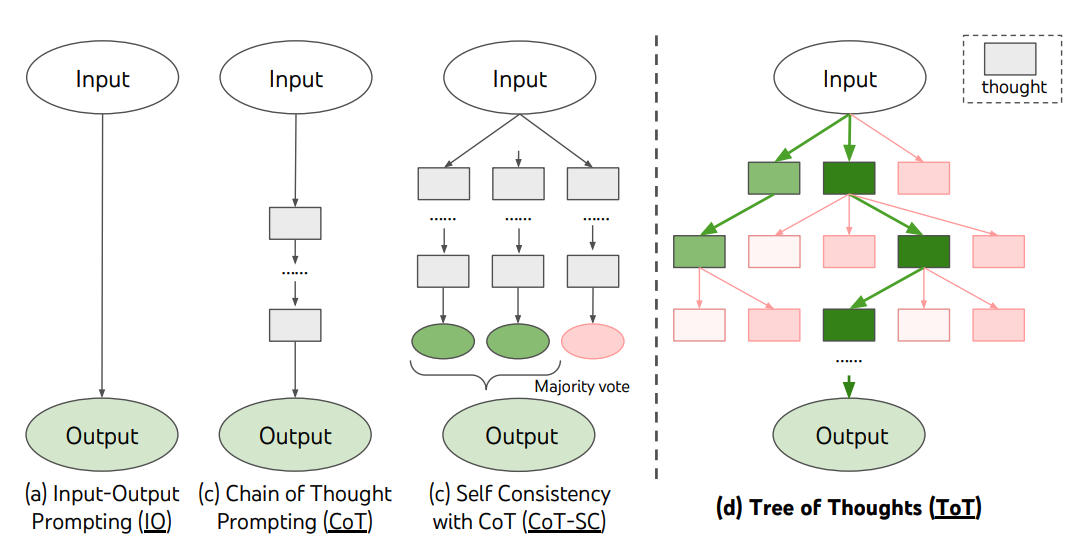
What sets this guide apart from a list of “10 ChatGPT prompts that will change your life” is that every page is about a method, not a snippet. Zero-shot, few-shot, chain-of-thought, self-consistency, generated knowledge, prompt chaining, Tree of Thoughts, RAG. Each technique gets its own page with the underlying paper linked, when to use it, when it fails, and worked examples you can actually copy.
That structure matters. Most prompt resources collapse everything into “tips”; DAIR.AI keeps the conceptual taxonomy intact, so you walk away knowing the difference between CoT and ToT and when to reach for one over the other.
It’s a living document
The field moves fast and the guide keeps up. New techniques land within weeks of the paper, not years. The site version at promptingguide.ai renders the same content as a navigable web book, generally the better surface for reading; the GitHub repo is for contributors and for keeping the source forkable.
It’s also genuinely multilingual: 13 languages supported at last count, with translations contributed and maintained through the same repo. Non-English readers don’t get a stale half-translation.
Companion courses, but the guide stays free
DAIR.AI runs a paid Academy with deeper hands-on courses on prompt engineering, RAG, and AI agents. The guide is the marketing surface for those courses in a real sense, but it’s not gated. The free version is the comprehensive one; the paid version is the structured, cohort-based version with feedback. Different product, not a paywalled upgrade.
If you’ve never taken a paid prompt course, you can safely skip it. Read the guide end to end, build something with what you learned, and decide then whether you want structured feedback on top.
Who it’s actually for
Two audiences benefit most. Engineers building LLM features get a vocabulary to match problems to techniques: “this is a self-consistency problem, not a CoT problem” is the kind of decision the guide explicitly trains. Researchers get a clean entry point into the literature, with the original ArXiv links inline for every method.
If you’ve only ever used prompts you copied from someone else’s tweet, this is the source those tweets are downstream of. Read it once, refer back forever.
What it doesn’t try to be
It’s worth being honest about scope. The guide is a reference, not a course. It explains techniques well but won’t teach you to ship a production RAG system end to end (that’s what LLM Course is for). It’s also model-agnostic by design, which means it stays silent on vendor-specific quirks: Anthropic’s XML-tag prompting, OpenAI’s structured output modes, and Gemini’s safety tuning all live elsewhere. Treat the guide as the conceptual map; vendor docs are the territory.
Use it
Star the repo for reference, then read it on the web. The site navigation is faster than scrolling markdown:
open https://www.promptingguide.ai/The repo itself is the right surface if you want to contribute a translation, fix an error, or fork it for internal team documentation.
Prompt Engineering Guide is the canonical reference for a reason: it treats prompting as the engineering discipline it actually is. Bookmark it, work through the techniques section in order, and you’ll write prompts that fail less often and explain why when they do.