Agent outputs are the final deliverables your AI agent produces after completing a task — and how well you define, review, and refine them determines whether automation saves you hours or costs you rework. In this lesson you will learn a practical, repeatable system for specifying what you want, evaluating what you receive, and guiding… Continue reading
Author Archives → Amar Tinawi
07 – AWS Vector Database Lab: Setting Up pgvector and OpenSearch
In this hands-on lab you will build a working vector database two different ways for the same product-search scenario: Amazon OpenSearch Service with a k-NN vector index, and Amazon RDS for PostgreSQL with the pgvector extension. You will load identical sample product embeddings into both vector database engines, run a similarity search against each, and… Continue reading
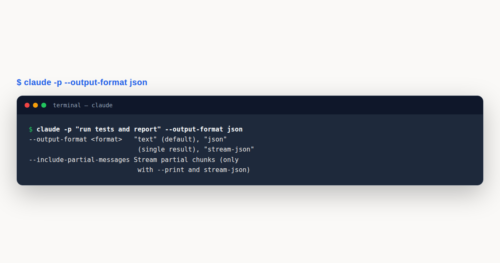
Claude Code Headless Mode: Easy Automation Guide
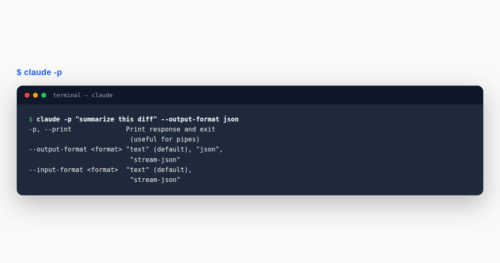
Headless mode lets you run Claude Code without the interactive terminal — piping prompts in, capturing structured output, and driving the agent from shell scripts, CI pipelines, and other programs. Headless mode is the foundation for automating code review, commit linting, and autonomous development workflows. This guide covers headless mode end to end: the -p… Continue reading
15 — Improving & Scaling Agent Workflows
Agent workflow design is one of the most powerful skills an AI practitioner can develop in 2026. Once you understand how to measure, refine, and scale the sequences of tasks your agents execute, you unlock compounding productivity gains that transform not just your own work but your entire team’s output. This lesson shows you exactly… Continue reading
08 – AWS Healthcare RAG: Clinical Accuracy Architecture
Healthcare RAG on AWS using Amazon Bedrock, OpenSearch, and Neptune. Patient data augmentation, re-admission prediction, and talent management solutions grounded in HIPAA-eligible infrastructure.
Continue readingClaude Code MCP Configuration: Best Advanced Guide
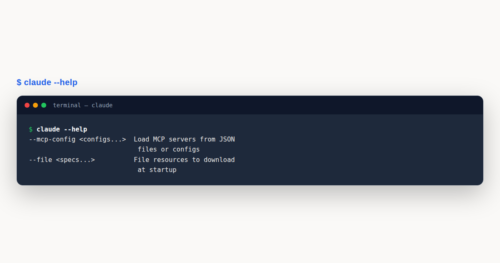
MCP configuration is the difference between a Claude Code setup that quietly stalls on a broken server and one that runs dozens of tools across local processes, remote HTTPS endpoints, and enterprise allowlists without friction. This guide goes past the install step and into the transport, scope, authentication, and tool-search decisions that make a fleet… Continue reading
08 – AWS Healthcare RAG Lab: Building a Clinical Q&A Pipeline
In this hands-on lab you’ll build a working healthcare RAG pipeline end to end: uploading synthetic clinical documents to Amazon S3, generating embeddings with Amazon Bedrock, indexing vectors in Amazon OpenSearch Serverless, and answering clinician questions with cited sources. Every document used here is fictional, de-identified test data — no real PHI is involved anywhere… Continue reading
Claude Code Permissions: Easy Security Guide
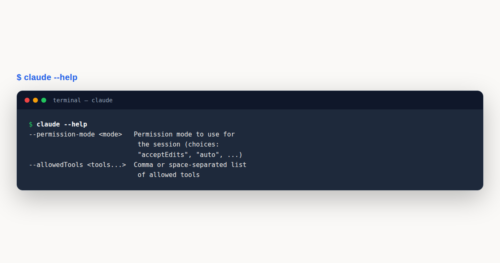
Permissions govern every action Claude Code takes on your machine, from reading a file to executing a shell command. Understanding the six modes, the rule syntax in settings.json, and how hooks gate tool calls lets you work faster without sacrificing safety. This guide covers the full interactive permission system, from manual approval to enterprise lockdown,… Continue reading
09 – AWS AgentOps: Operationalizing Agentic AI
AgentOps on AWS — operationalize agentic AI at enterprise scale with CI/CD pipelines, guardrails, observability, multi-tenancy, and business alignment strategies across the six AWS focus areas.
Continue readingClaude Code Worktrees: Powerful Parallel Guide
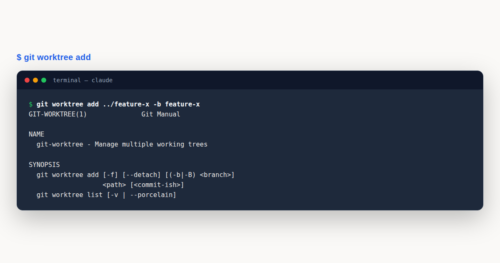
Worktrees let Claude Code run parallel branches, isolate subagents, and scale development without context collision. Instead of stashing half-finished changes to switch tasks, you spin up a dedicated checkout for each effort. This guide covers the native –worktree flag, the EnterWorktree tool, subagent isolation, the /batch skill, hooks for non-git VCS, and the cleanup lifecycle… Continue reading
09 – AWS AgentOps Lab: Instrumenting Agent Observability
AgentOps is the discipline of running agentic AI systems the way SREs run production services — with traces, metrics, alerts, and dashboards instead of hope. In this hands-on lab you take a support-ticket triage agent built on Amazon Bedrock Agents and instrument it end to end: trace logging, model-invocation logging into CloudWatch, and a dashboard… Continue reading
Claude Code Enterprise: Best Team Setup Guide
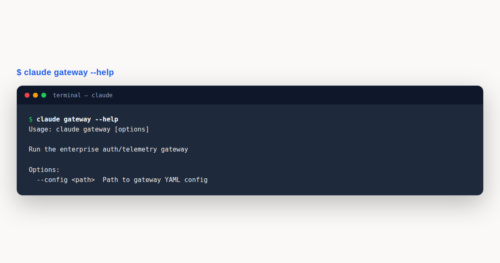
Enterprise rollouts of Claude Code live or die on identity, policy, and observability. This guide walks the full team-deployment path: choosing a seat model, wiring SSO and SCIM, distributing managed settings, locking down MCP and hooks, and exporting telemetry. By the end you can ship Claude Code to thousands of engineers without losing control of… Continue reading
10 – AWS Agentic AI Economics: Measuring ROI
Agentic AI economics compares total human costs against agent costs, introduces pay-per-outcome pricing, and gives you the ROI models to scale automation sustainably on AWS — answering when replacing human labor with agentic AI actually pays off, and where agentic AI economics tips in favor of automating. Agentic AI Economics: What You’ll Learn Agentic AI… Continue reading
Claude Code Token Management: Easy Cost Guide
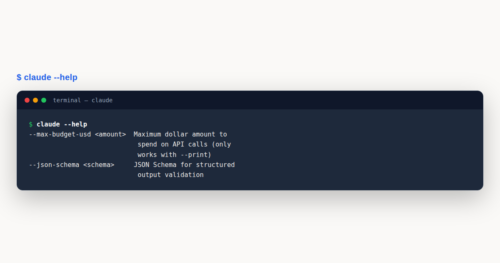
Token management is the practice of tracking, controlling, and optimizing the tokens that Claude Code consumes during every coding session. Because each prompt, file read, and tool call draws from a finite 200,000-token context window and a metered API budget, understanding where your tokens go is the single highest-leverage skill for keeping costs predictable. This… Continue reading
10 – AWS Agentic AI Economics Lab: Calculating ROI in Practice
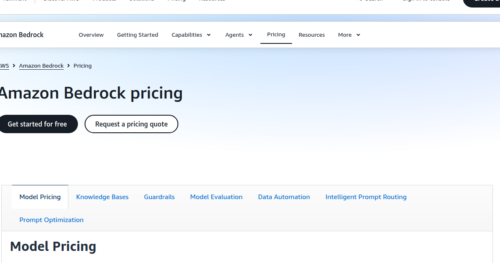
Getting agentic AI economics right is less about picking a model and more about picking a pricing plan for the volume you actually expect — proven with numbers, not a vendor’s marketing slide. In this hands-on lab you will build a small, honest cost calculator comparing three ways of processing the same volume of documents:… Continue reading
Claude Code Sessions: Easy Continuity Guide
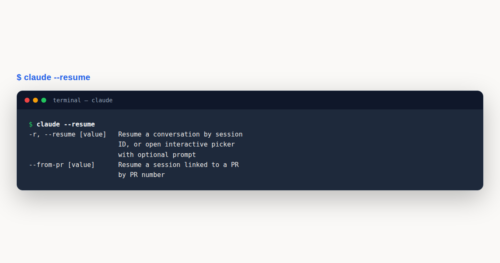
Sessions are the backbone of working with Claude Code across time and devices. A session is a saved conversation tied to your project directory, stored locally as you work. You can resume it after exiting, branch it to try a different approach, continue it from your phone, or rewind file changes when something goes wrong…. Continue reading
Claude Code Auto Mode: Easy Autonomous Guide
Auto mode is a Claude Code permission mode that delegates per-action approval decisions to a model-based classifier instead of a human. Sitting between manual approval and the unrestricted –dangerously-skip-permissions flag, it lets you keep your hands on the keyboard while a safety classifier reviews every tool call. This guide covers the six permission modes, the… Continue reading
Claude Code VS Code: Easy IDE Guide
VS Code developers can supercharge their daily workflow with the Claude Code extension, bringing AI-powered coding assistance directly into the editor. The JetBrains plugin offers parallel capabilities for IntelliJ, PyCharm, and WebStorm users. This guide covers installation, core features, and workflow patterns for both IDE integrations. VS Code: What You’ll Learn Working with Claude Code… Continue reading
Claude Code Effort Levels: Best Ultraplan Guide
Effort levels control how deeply Claude reasons before responding, shaping the quality, cost, and speed of every coding session. Claude Code exposes five tiers, from a lean low preset to a maximum-reasoning max mode, plus the adaptive auto reset. Choosing the right level for each task is the difference between a snappy fix and a… Continue reading
Claude Code GitHub Actions: Best CI Guide
GitHub Actions integration lets Claude Code participate in your pull requests, issues, and scheduled pipelines without leaving GitHub. Tag @claude in a comment, and Claude analyzes your diff, implements features, or posts review findings on the exact lines that changed. This guide covers workflow setup, automated code review, and self-hosted GitHub Enterprise Server differences so… Continue reading