settings.json is the most important configuration file in Claude Code. It controls which model runs, what permissions Claude has, which hooks fire on tool events, and what environment variables apply. Understanding the five settings scopes, merge rules, and the full field list transforms Claude Code from a personal tool into a governed, reproducible engineering platform…. Continue reading
Author Archives → Amar Tinawi
Claude Code GitLab CI: Easy Pipeline Guide
GitLab CI lets you run Claude Code inside your pipelines so merges, issues, and review comments can trigger real code changes. You add one job to .gitlab-ci.yml, store a masked API key, and mention @claude to get working merge requests. This guide walks through setup, triggers, authentication, and the key differences from GitHub Actions. GitLab… Continue reading
Claude Code Agent SDK: Build Custom Agents Guide
Agent SDK is the programmatic gateway to building production AI agents with the same engine that powers the Claude Code CLI. Instead of typing prompts into a terminal, you write Python or TypeScript code that drives Claude autonomously through file reads, shell commands, and tool calls. This guide covers installation, configuration, streaming, custom tools, MCP… Continue reading
Claude Code Routines: Easy Scheduling Guide
Routines put Claude Code on autopilot. A routine is a saved configuration—prompt, repositories, and connectors—packaged once and run automatically on Anthropic-managed cloud infrastructure. This guide covers routines, the /schedule command, the /loop command, and Desktop scheduled tasks, so you can pick the right scheduling tool for recurring work. routines: What You’ll Learn Routines let Claude… Continue reading
Claude Code vs Cursor vs Copilot: Honest Comparison
Claude Code vs Cursor is the comparison most teams now run before committing to an AI coding stack, and GitHub Copilot belongs in the same conversation because it remains the cheapest and widest-deployed option. The three tools overlap but differ sharply on pricing, models, workflow fit, and data handling. This guide compares them honestly —… Continue reading
Claude Code Secure Coding: Powerful Guide
Secure coding with Claude Code means catching vulnerabilities as code is written, not after it reaches a pull request. The security-guidance plugin reviews Claude’s own changes for injection, unsafe deserialization, and DOM risks, fixing issues in the same session before human reviewers ever see them. Secure Coding: What You’ll Learn Secure coding becomes practical when… Continue reading
Claude Code Agent Teams: Powerful Guide
Agent teams let you coordinate multiple independent Claude Code sessions working together on a shared problem. One session acts as the team lead, spawning teammates that each run in their own context window and message each other directly. This experimental feature unlocks genuine parallel collaboration for research, review, and multi-layer implementation work that no single… Continue reading
Claude Code CLI Reference: Easy Configuration Guide
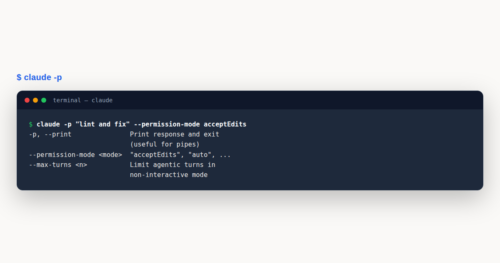
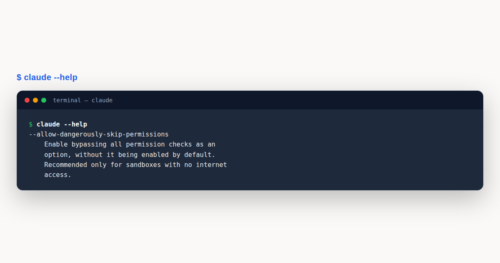
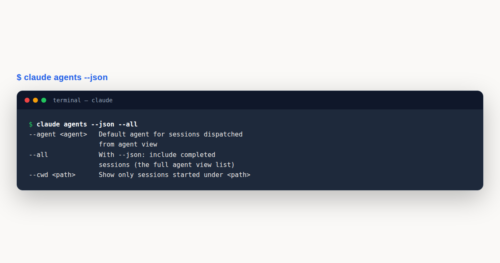
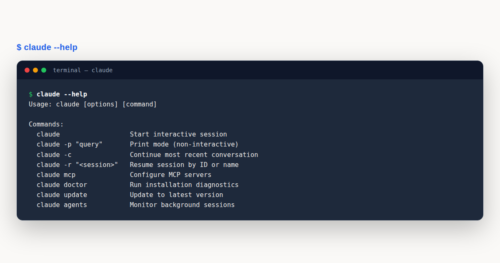
CLI reference for Claude Code puts every command, flag, and configuration file at your fingertips. The claude binary handles interactive sessions, headless automation, background agents, and enterprise policy from one entry point. This guide walks the full command surface so you can configure, script, and troubleshoot without guesswork. CLI reference: What You’ll Learn This CLI… Continue reading
Claude Code CLAUDE.md: Easy Project Memory Guide
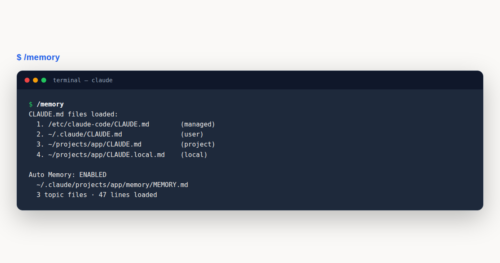
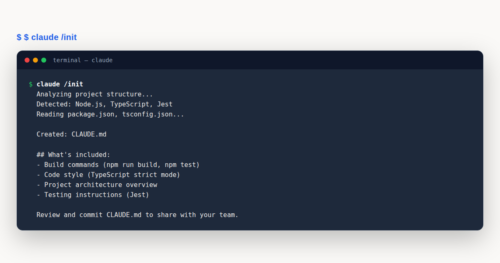
CLAUDE.md is the markdown file that gives Claude Code persistent project memory across every session. Each conversation starts with a fresh context window, but this file carries your build commands, coding standards, and architecture decisions forward. You write it once, commit it to version control, and your whole team gets shared context that loads automatically… Continue reading
Claude Code Model Config: Easy Terminal Setup Guide
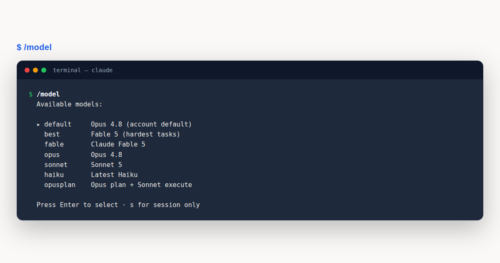
Model config in Claude Code controls which AI model answers your prompts, how hard that model thinks, and what happens when the model is overloaded. Getting your model config right means faster responses on simple tasks and deeper reasoning on complex architecture decisions. This guide covers every alias, every effort level, every provider variable, and… Continue reading
Claude Code Keybindings: Easy Shortcuts Guide
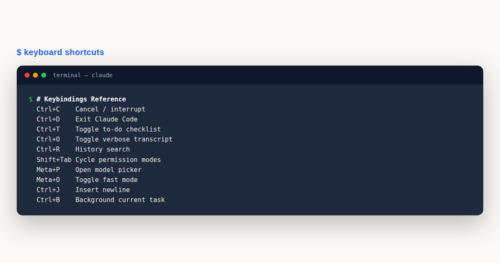
Keybindings let you control Claude Code without leaving the keyboard. Every interrupt, every mode switch, every model swap, and every transcript toggle lives behind a shortcut you can rebind. This guide covers the full keybindings system, from the JSON config file to every default shortcut, the binding contexts, vim mode, and the status line that… Continue reading
Claude Code Fast Mode: Easy Speed Guide
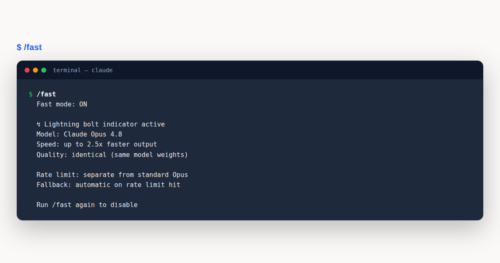
Fast mode is a high-speed serving configuration for Claude Opus inside Claude Code, pushing responses up to 2.5 times faster than the standard tier. It is not a different model, a different permission level, or a thinking-time dial. It is an infrastructure switch you toggle with a single command when latency matters more than cost…. Continue reading
Claude Code Debug Config: Easy Troubleshooting Guide
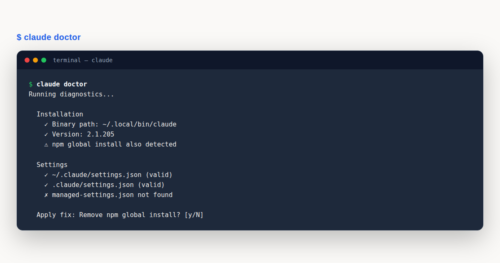
Debug config problems in Claude Code before they cost you hours. When hooks refuse to fire, permissions seem ignored, or MCP servers stay invisible, the cause almost always traces back to a file that didn’t load, a scope you forgot about, or a variable quietly overriding everything. This guide walks you through the full diagnostic… Continue reading
Claude Code Authentication: Easy Login Setup Guide
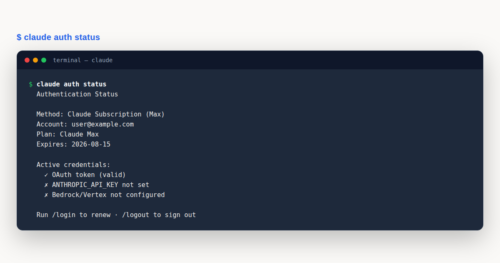
Authentication is the gatekeeper for every Claude Code session. Before the CLI can answer a single prompt, it needs a verified credential that proves who you are and which plan backs your usage. This guide walks through all six authentication methods, the OAuth browser flow, cloud provider setup, token precedence, and the troubleshooting steps that… Continue reading
Claude Code Best Practices: Powerful Habits Guide
Best practices for Claude Code separate developers who ship clean code from those who fight the tool all day. The context window fills up fast, and performance drops as it fills. These best practices help you manage context, verify work automatically, and build habits that make every session more productive. Best Practices: What You’ll Learn… Continue reading
Claude Code Output Styles: Easy Format Guide
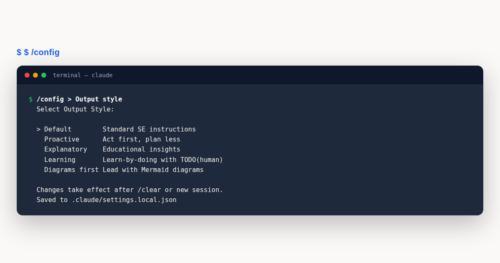
Output styles change how Claude Code talks to you, not what it knows. They reshape the system prompt to set the role, tone, and format of every response. This guide walks through the four built-in styles, shows you how to build a custom one, and explains when to keep coding instructions turned on. Output Styles:… Continue reading
Claude Code Prompt Caching: Best Cost Guide
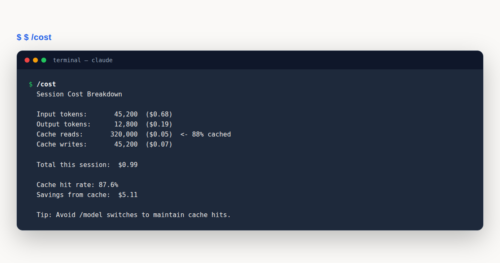
Prompt caching is the single biggest lever for cutting Claude Code costs on long sessions. It lets the API skip reprocessing your entire conversation history on every turn, billing you roughly one tenth the normal input rate for repeated prefixes. This guide covers how the cache is organized, the eight actions that invalidate it, the… Continue reading
Claude Code Code Review: Easy PR Guide
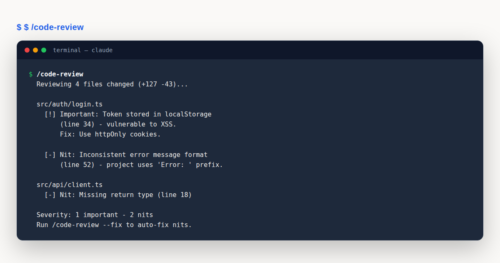
Code review is the part of shipping software that everyone respects and almost no one enjoys. Claude Code’s code review feature takes the repetitive burden off your team by running a fleet of specialized agents over every pull request and posting inline findings as comments on the exact lines that need attention. This guide walks… Continue reading
Claude Code Common Workflows: Easy Recipes Guide
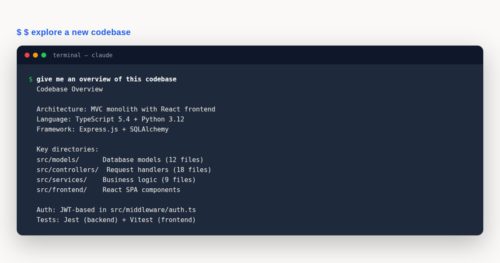
Common workflows are the everyday recipes that turn Claude Code from a clever chat tool into a dependable pair programmer. This guide walks through the daily-use prompts you reach for during a normal workday: understanding code, fixing bugs, refactoring, writing tests, shipping pull requests, and documenting your work. Each recipe below is ready to paste… Continue reading
Claude Code AWS Bedrock: Enterprise Setup Guide
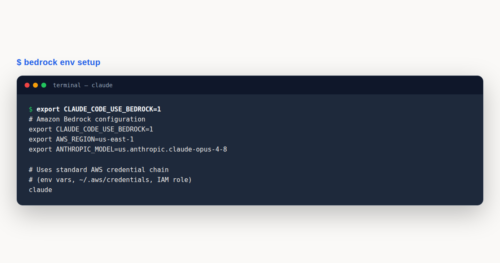
Claude Code AWS Bedrock integration lets enterprises run Anthropic’s coding agent through their existing AWS account, with all traffic flowing through AWS infrastructure rather than Anthropic’s public API. The setup hinges on a single environment variable, CLAUDE_CODE_USE_BEDROCK=1, but the surrounding IAM, model-access, and regional considerations are where most teams stumble. This guide walks through a… Continue reading